
Your heart.
Our Hands.
Their Future.
Animal rescue, rehabilitation, homing, and sterilisation in the greater Durban area
Our Key Pillars
The Betterment program
Most adult dogs that are in bad situations are unlikely to get adopted or rehomed. The reality is that the adoption rate is low, especially around mix-breed adult dogs whose backgrounds, temperaments and health are unknown. Compounding the problem is that most welfare shelters, rescue centres and foster networks are full and cannot take in any more dogs.
Mass sterilization and vaccination program
While the betterment program will ensure sterilisation of every dog it encounters in that program, the mass sterilisation and vaccination program aims are to tackle and reduce the problem of the astronomical numbers of unwanted and abandoned puppies and dogs across KZN and reduce the amount of fatal and in some cases human contractable diseases, such as rabies.
Foster program
This structure deals with and serves as a lifeline for the “at risk”, abused or neglected puppies and dogs that are encountered through pillar one programs predominantly (where we can assist with requests from public and other organisations we will).
Adoption program
The obvious conclusion in the chain is to find the correct homes to match the dogs and pups being cared for through our SAFE foster Network.
RESCUE – ADVOCATE – FOSTER – REHABILITATE – ADOPT
Adopt
Adopting a dog can bring a lot of joy and create a strong bond. You are giving a new home and hope to a deserving pup, and also freeing up space for another in need. By adopting, you’re not just saving one life but two!
Foster
Fostering pets is a great way to help shelters and animals in need. It reduces shelter populations, provides pets with a home-like environment to grow, and offers foster parents the reward of love and affection from the animals.
Volunteer
Volunteers are crucial to SAFE and make a big impact on animals’ lives. There are many ways to volunteer, including working with rescue and care teams, fundraising, home checks, photography, dog training, and veterinary work.

Mass sterilisation and Vaccination Program
The mass sterilisation and vaccination program aims are to tackle and reduce the problem of the astronomical numbers of unwanted and abandoned puppies and dogs across KZN and reduce the amount of fatal and in some cases human contractable diseases, such as rabies


News and Stories
3 August 2026
The Importance of Nutrition in Dog Behaviour: Why the Bowl Matters
Introduction When a dog starts acting out, whether it’s sudden aggression, increased anxiety, or obsessive licking, most South African pet owners immediately look for a training solution. While “sit” and “stay” are important, we often overlook the fuel driving the brain. In 2026, veterinary science has made massive strides in understanding the gut-brain axis. We […]
Category: Medical related, Training and advice

Why Adopt an Adult Dog: Finding Your Perfect Match
Introduction In South Africa, the bond between humans and hounds is legendary. From the vast farms…
What does SAFE do in the animal rescue field?
What most people do not know is that in animal rescue, there are multiple areas to address….
Walk the Dog – And Wag It!
Dog walking is one of the most pleasurable ways to enjoy nature and keep fit! Spending time with…

The Importance of Nutrition in Dog Behaviour: Why the Bowl Matters
Introduction When a dog starts acting out, whether it’s sudden aggression, increased anxiety, or…
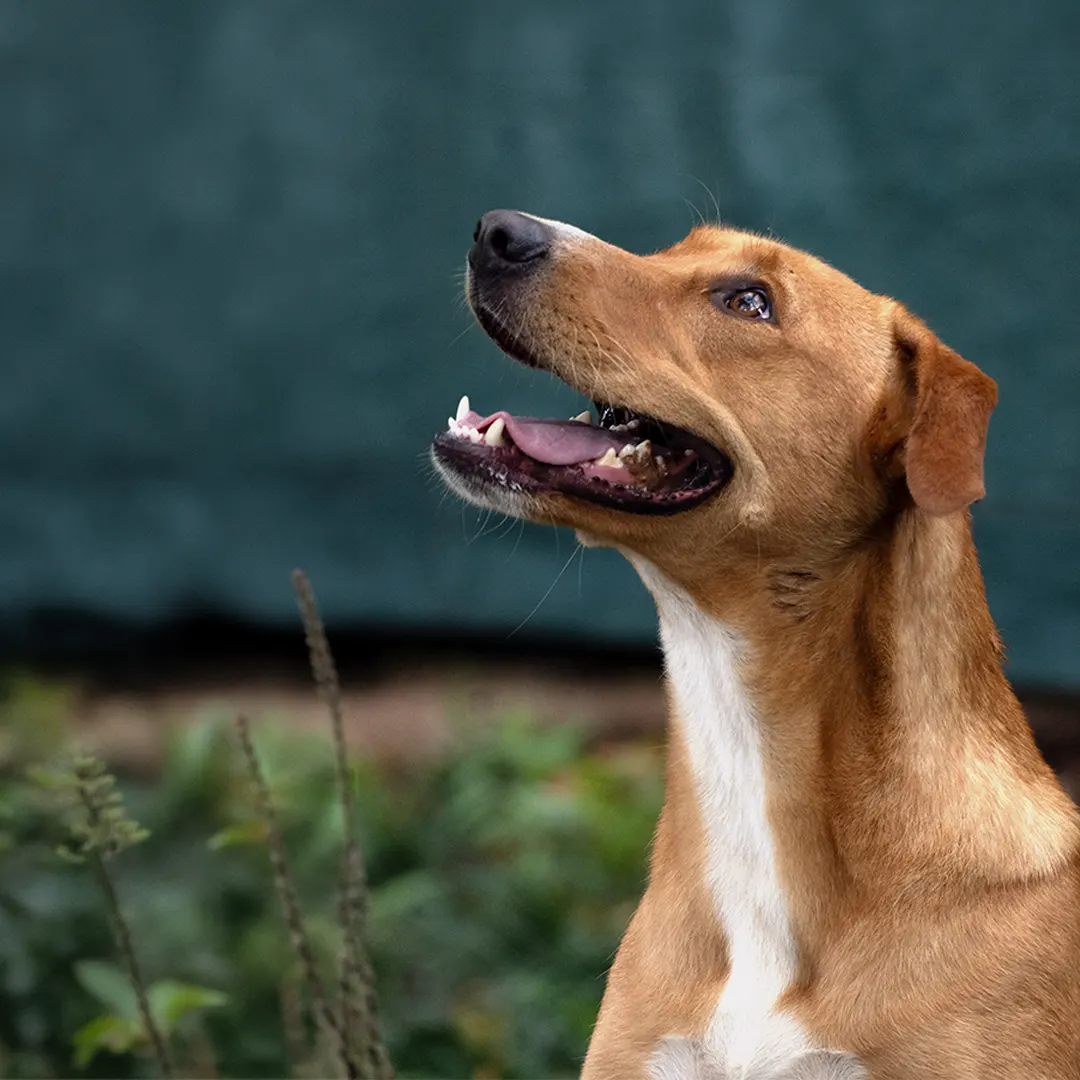
Why Adopt an Adult Dog: Finding Your Perfect Match
Introduction In South Africa, the bond between humans and hounds is legendary. From the vast farms…
Rescue and Return Policy
If stray companion animals, such as cats and dogs, are not claimed within 7 days and stray farmyard animals are not claimed within 30 days, they will go through the adoption process.
Note that in order to claim ownership of any animal in our care, full proof of ownership will be required, this includes but is not limited to: vaccination cards, proof of purchase, photo or video. Without satisfactory proof being provided the animal will not be released.
When any animal is claimed, a minimum release fee of R500.00 is charged. The fee helps cover the costs of transportation, food, veterinary expenses, micro-chipping, and sterilisation. Note that addition fees may be applicable as indicated below.
Animals will remain in the custodianship of SAFE FOSTERING NETWORK NPC until the vet deems it healthy to be returned. The owner will also be required to pay for all additional charges incurred in the treatment of the animal(s) within 14 days or the owner will relinquish all rights of ownership.
Additional fees:
- Kennel and/or boarding: R250 per day
- Vaccination: R250
- Deworming and Tick & Flea treatment: R350
- Veterinary care: On case by case basis