What most people do not know is that in animal rescue, there are multiple areas to address. Different organisations opt to cover the areas they feel are most important or what they are most competent to deal with.
SAFE wears MANY caps under the rescue banner, and over the next couple of weeks, we will share what we do and why we do it.
POPULATION CONTROL
This is one of the areas we are most passionate about.
SAFE will identify a community where animals are "at most risk". This includes income per household, condition of animals, number of sterilisations, vaccinations and education around animal care.
We will then do a comprehensive census where we go door to door to EVERY home that has an animal, register every owner and animal by name, age, sex and condition. Once completed, the total number of animals can be established. We know which animals are ill and need attention before sterilisation, which are underweight, etc, and a full plan is put into place to improve the health of all animals, and work on a strategy to reach a 98% sterilisation rate within a breeding cycle. EVERY animal is sterilised and vaccinated.
Why, within a breeding cycle? In the areas we address, we find the majority of animals are unsterilized. There are puppies and pregnant females in large quantities everywhere. These pups are often tick and flea riddled, infested with parasites like worms, starved and face a very low survival rate. When you have 100 unsterilized females, for example, who will each have between 6 and 12 pups within 1 breeding cycle, that is an extra 600 animals on the ground every 6 to 8 months at a minimum, and they cannot remain in that environment because they cannot be supported, and all then need to be "rescued"!!!
There are just not enough homes for that many puppies, or fosters, or space in rescue, or funds to cover food, vaccinations, dewormers, etc.
It becomes imperative to halt the number of new births on the ground within 1 breeding cycle, or you are never able to get on top of the population explosion.
A community then comes under SAFE'S umbrella. Education and monitoring of the care of the sterilised animals is direct and ongoing.
Food is allocated only where we have been allowed to fully sterilise all animals on a property - SAFE has a ZERO feed to breed policy. If we are not allowed to sterilise all the animals on the property, we will not supply food.
We also have an agreement in place with each owner that they are not permitted to get any more animals over and above the ones that have been registered. This is to maintain a healthy balance and ensure that the original animals that are part of the program are well cared for and not simply replaced on an ongoing basis, or that we end up with an overpopulation crisis again.
WHY is this important?
Well, outside of the obvious with too many animals in crises, and not enough homes, space in rescue or funds to save uncontrolled and ever-increasing numbers, you have to look at the causes, and understand that:
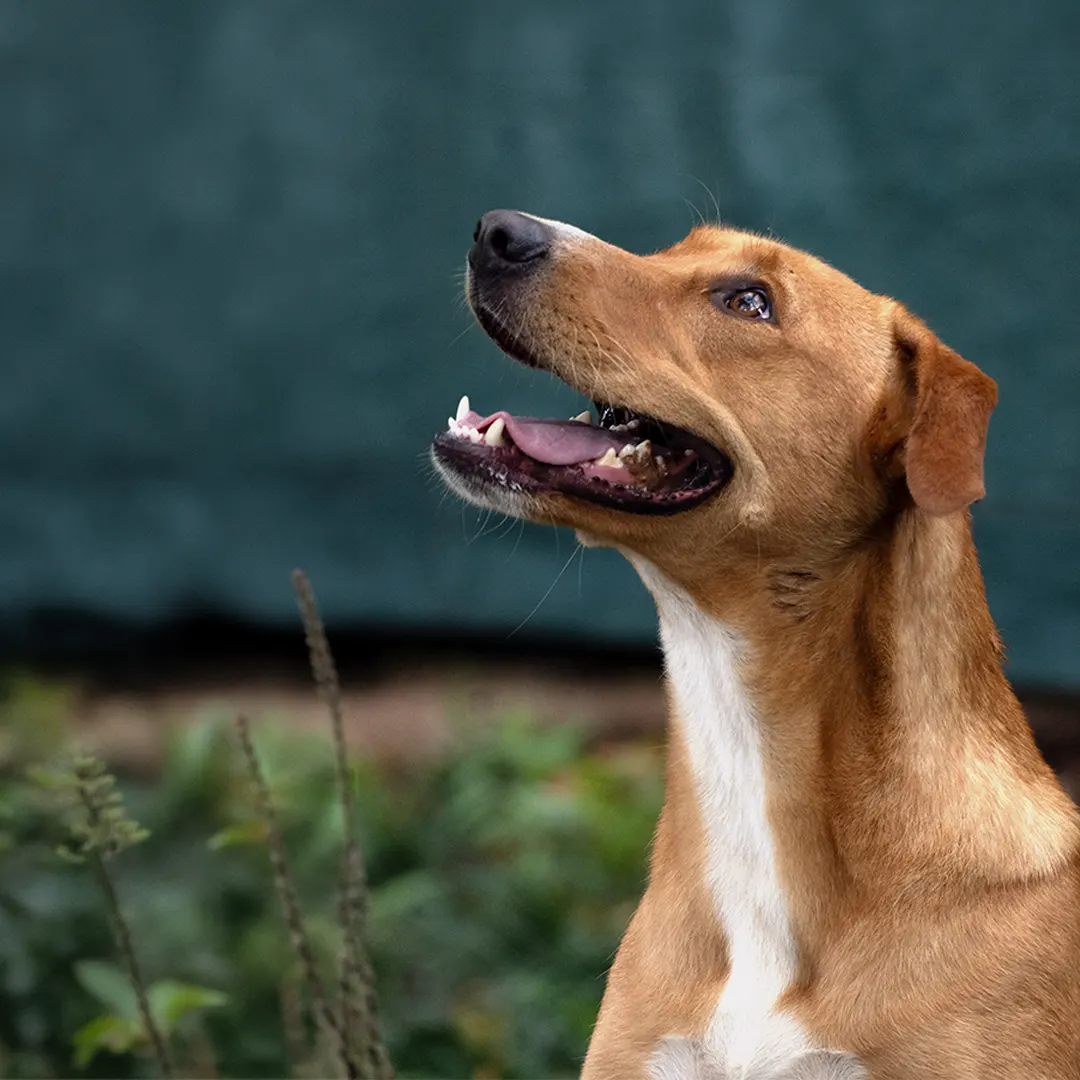
These dogs are NOT purchased or adopted. They are often dogs born into a community, or dumped animals that wander to these communities in the hope of food and shelter. They are not living behind nicely fenced-off properties with gardens. They live in the community, and for the most part, they are adapted and happy in those conditions; it is what they know.
The people who "own" them are impoverished themselves; they do not have cars to take animals to the vet for vet care, or sterilisation, let alone the funds to do so. Animals are not permitted in taxis, and there are no mass sterilisation programs granted by government funding to tackle the crises in these communities. AGAIN, these animals are NOT adopted or purchased animals by the "owners".
NB: Poverty does not mean that people do not care; and given the opportunity, most people ensure animals under our programs transform.
SAFE works one community at a time, and relies on funding from wonderful organisations like National Sterilization Project, #LetsSpaySA, and other partners. Our sterilisation vet is Pulse Veterinary Clinic, and large outreach projects are achieved with partner vets, vet nurses and kennel hands who give up their days off to volunteer and be part of these clinics.
Outside of the community projects, every animal that SAFE rescues is sterilised and vaccinated. We also include feral cat colonies that may live within the communities we are focused on as part of the sterilisation program, and we trap, sterilise and release.
SAFE believes that addressing the crises at the source is fundamentally the most important way to turn the tide facing animal welfare in KZN. Sterilisation should be a national priority, and a mandatory part of pet ownership for ALL income brackets and owners.
If you or your company would like to support the community sterilisation and upliftment programs, SAFE does please WhatsApp Kerry on 081 564 1649 for further details.